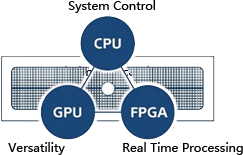
Using high-performance real-time processors or FPGAs to enhance the real-time capabilities of the simulation environment. This ensures the simulation speed consistently exceeds the processing speed of your hardware controller, guaranteeing the absolute accuracy of every functional logic step.
Operating Condition Simulation
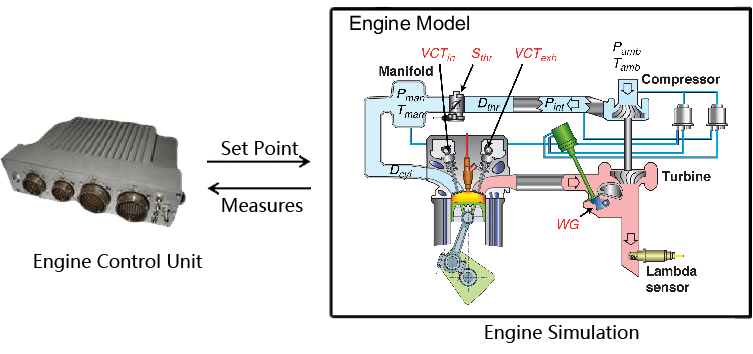
Through multi-system integration, the system accurately simulates all operating environments for the ECU. This includes electrical power supply environments, vehicle powertrain requests and execution feedback, voltage/current/temperature for individual battery cells within a pack, and the status of various vehicle body sensors and actuators.
Load Simulation
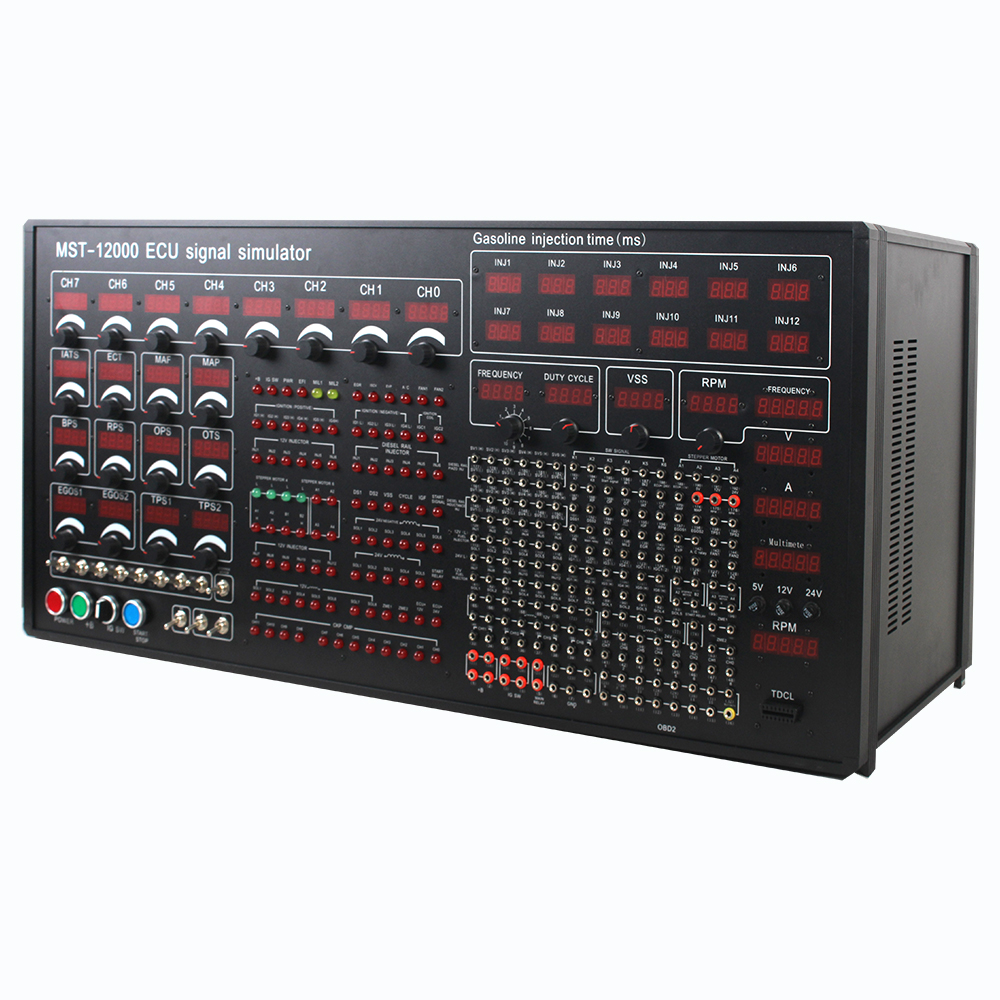
By utilizing actual loads and load simulation boxes, the system authentically replicates the electrical characteristics of various subsystems. This ensures that the ECU’s electrical interfaces are fully tested, exposing potential vehicle-level integration issues early in the process.
Fault Insertion
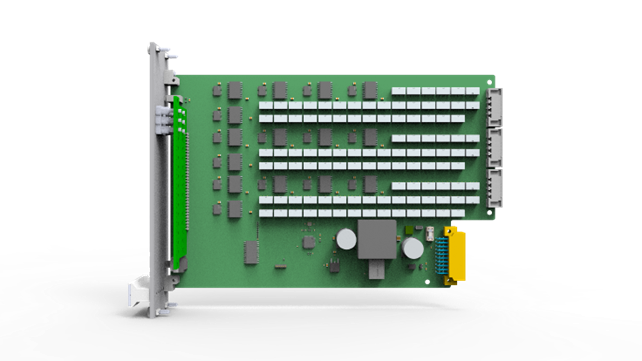
Dedicated Fault Insertion Units (FIU) realistically simulate electrical failures such as open circuits, short circuits, and overloads. It can also simulate system-level malfunctions, including component parameter drift and extreme environmental fluctuations. Comprehensive fault insertion helps controllers more easily comply with ISO 26262 functional safety standards.
Distributed Systems
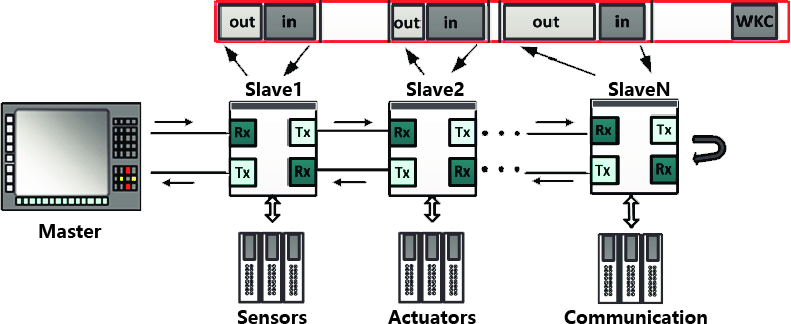
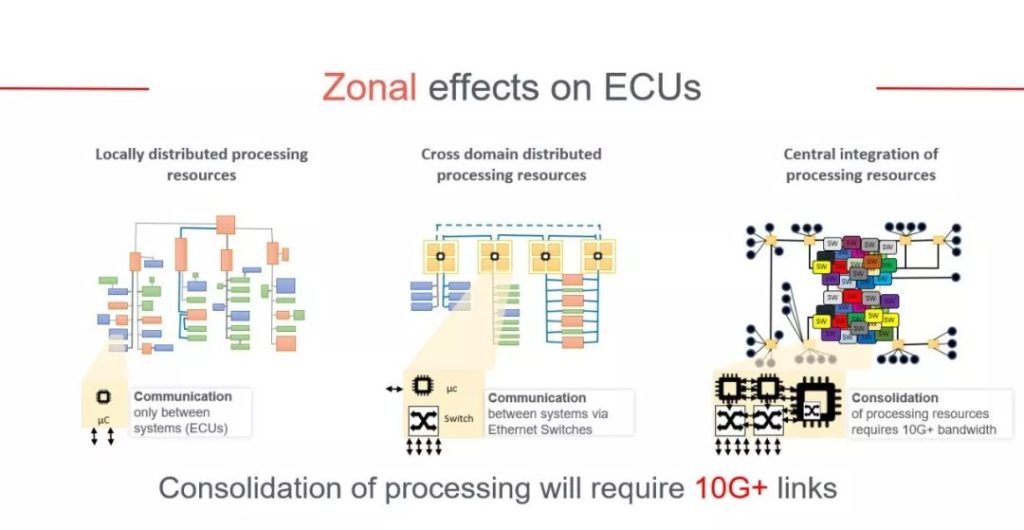
To achieve design flexibility across complex multi-functional systems, a distributed development architecture is adopted. High-speed Industrial Ethernet is utilized for interconnection between distributed devices, achieving synchronization and ultra-low latency at the sub-µs (microsecond) level.
Vehicle Communication Simulation
Supports multiple communication protocols such as CAN, LIN, FlexRay, and Ethernet. Building on standard communication simulation, the system also enables whole-vehicle data monitoring, node simulation, fault insertion, and encrypted communication.